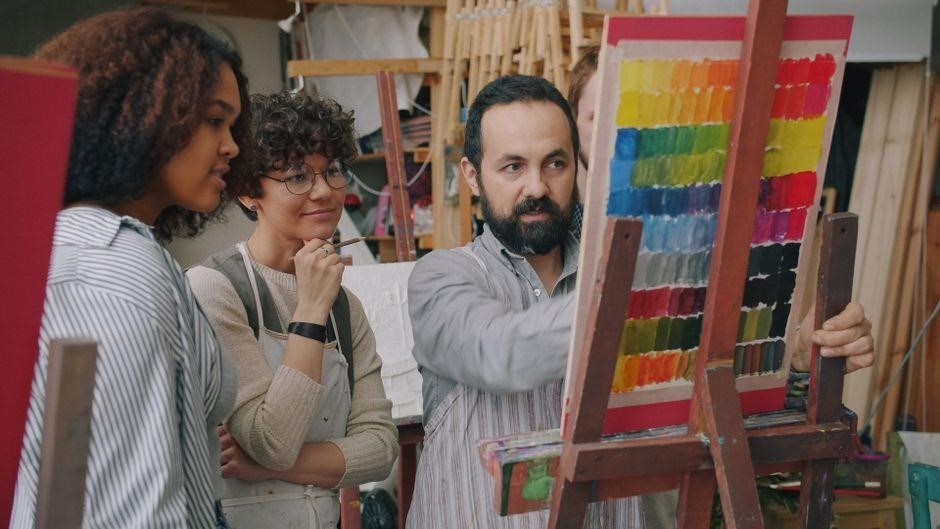
instructional skills workshop
Join our dynamic instructional skills workshop to boost classroom engagement, master lesson planning, and transform learning experiences—sign up today!
instruction skills workshop Program Overview
The instructional skills workshop program offers an inter-institutional approach, emphasizing careful feedback process management. It is designed for small instructor groups, fostering collaboration and reflective practice across diverse teaching backgrounds. The curriculum blends theory, assessment and!!.

Inter‑Institutional Approach and Feedback Process Management
In the instructional skills workshop program, the inter‑institutional framework serves as the backbone for a collaborative learning environment. By bringing together faculty from multiple universities, the program leverages a breadth of pedagogical perspectives, creating a rich tapestry of instructional traditions and innovations. Central to this model is a rigorous feedback process, designed to support both facilitators and participants in a continuous cycle of reflection and improvement.
The facilitator training component focuses on equipping leaders with the skills to orchestrate structured feedback sessions. Participants learn how to set clear expectations, establish safe spaces for critique, and employ evidence‑based evaluation tools. The process is intentionally iterative: initial observations are followed by guided discussions, allowing instructors to identify strengths, surface challenges, and co‑create actionable strategies.
To sustain momentum, the program incorporates a shared repository of best practices and case studies, enabling cross‑institutional dialogue. Facilitators are encouraged to adapt feedback mechanisms to their specific contexts while maintaining fidelity to core principles. This dual emphasis on collaboration and methodological rigor ensures that the workshop not only elevates individual teaching practices but also contributes to a broader culture of instructional excellence across campuses.
During each session, facilitators guide participants through a structured feedback cycle that includes pre‑session planning, live observation, immediate verbal feedback, and post‑session reflection. Tools such as the 5‑point rubric, peer‑review forms, and digital recording allow for nuanced analysis. Facilitators also model constructive criticism, demonstrating how to balance praise with developmental suggestions. By embedding these practices into the curriculum, the program ensures that feedback becomes an integral part of the instructional cycle rather than an isolated event.
The inter‑institutional collaboration extends beyond the workshop itself. After the initial intensive phase, participants engage in a series of follow‑up webinars and peer‑learning groups that reinforce the feedback culture. These online forums provide a platform for sharing progress reports, discussing challenges, and celebrating successes. The program’s design encourages sustained interaction, fostering a network of educators who continuously refine their teaching through shared insights.
Workshop Formats and Participant Composition
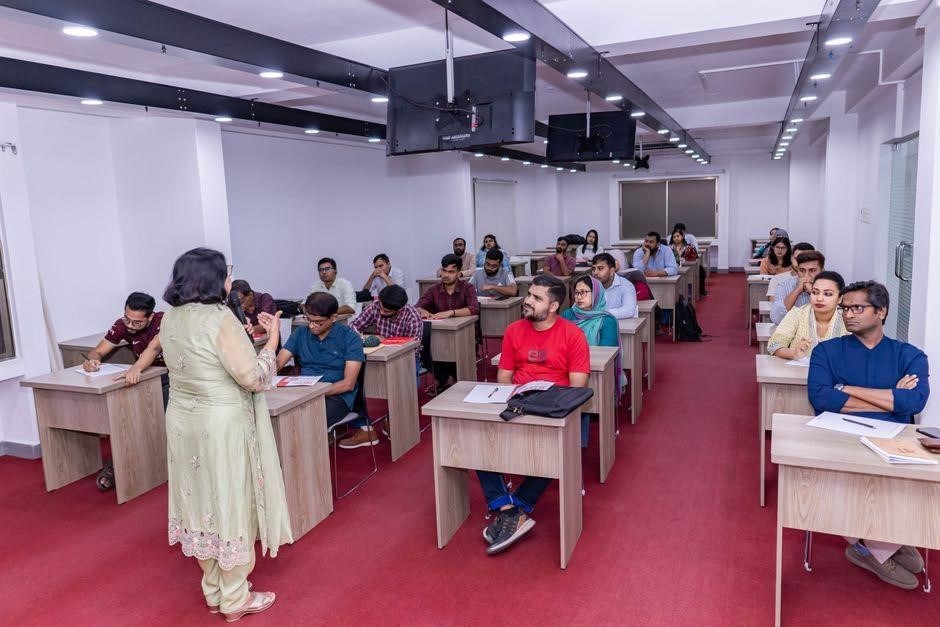
The workshop offers flexible formats: a 4‑ or 5‑day intensive or modular segments over weeks. It targets 4‑8 instructors with varied backgrounds, fostering peer learning and diverse instructional perspectives.
Participants engage in micro‑teaching, peer feedback, and reflective journaling to deepen practice!
Intensive Four- or Five-Day Format with Shorter Segments Option
The intensive four‑or five‑day instructional skills workshop is designed to immerse participants in a focused, collaborative learning environment. Over consecutive days, instructors engage in micro‑teaching, peer‑review, and reflective practice, guided by experienced facilitators who emphasize careful management of the feedback process. The schedule is structured to balance theory, hands‑on activity, and group discussion, ensuring that each day builds on the previous one. For institutions that prefer a more distributed approach, the program offers a modular option: shorter segments spread across several weeks. These condensed sessions cover the same core competencies—lesson planning, instructional design, assessment, and classroom management—while allowing participants to integrate new skills into their regular teaching schedule. Both formats maintain the same emphasis on inter‑institutional collaboration, encouraging participants to draw on diverse instructional backgrounds and experience levels. The result is a flexible, evidence‑based training model that can be tailored to meet the needs of faculty at varying stages of their teaching careers. Participants leave the workshop with a robust portfolio of instructional artifacts, including lesson plans, assessment rubrics reflective journals, which they can present during faculty evaluations oruse as teaching portfolios for promotion dossiers. Moreover, the program fosters ongoing collaboration via alumni networks, enabling instructors to share practices and publish articles that enrich the educational research community.
Target Group of Four to Eight Instructors with Diverse Backgrounds
The instructional skills workshop targets a compact cohort of four to eight instructors, deliberately chosen to foster intimate, high‑quality interaction. By limiting the group size, facilitators can tailor feedback, monitor progress, and ensure that every participant receives individualized attention. The composition of the cohort is intentionally diverse, drawing faculty from varying disciplines—humanities, sciences, engineering, business, and the arts—alongside a spectrum of teaching experience, from novice educators to seasoned professors. This heterogeneity enriches the learning environment: seasoned instructors share pragmatic insights, while newcomers bring fresh perspectives and questions that challenge assumptions. The inter‑institutional nature of the program further amplifies this diversity, as participants often come from different universities, each with distinct pedagogical cultures and institutional priorities. Such cross‑institutional dialogue promotes the exchange of best practices, exposes instructors to alternative assessment strategies, and encourages the adaptation of innovative teaching techniques to local contexts. The workshop’s design emphasizes collaborative reflection: small group discussions, peer‑review of micro‑teaching sessions, and collective analysis of instructional artifacts. Participants collectively identify common challenges—such as engaging diverse learners, integrating technology, and aligning assessments with learning outcomes—and co‑construct solutions that can be implemented in their own classrooms. Throughout the program, facilitators employ a structured feedback process that balances constructive critique with supportive encouragement, ensuring that each instructor feels empowered to experiment, iterate, and refine their instructional approach. By the end of the workshop, participants leave with a robust toolkit of evidence‑based strategies, a portfolio of revised lesson plans, and a network of peers committed to continuous professional growth. The compact, diverse cohort model thus serves as a catalyst for sustained instructional improvement across institutions.
In addition, the workshop includes a reflective journaling component, prompting instructors to record teaching experiences and insights after each session. These journals become the basis for group discussions, enabling participants to trace the evolution of their instructional thinking. A brief capstone project asks each instructor to design a mini‑lesson that integrates the skills learned, which is then shared for peer feedback; They grow

Facilitator Training and Mini-Lessons
The five‑day facilitator program equips faculty to guide ISWs, emphasizing mini‑lessons for skill practice. Participants refine teaching techniques, receive guided practice, and develop group‑process strategies, ensuring feedback and reflective learning cycles.!
Five-Day ISW Facilitator Training Program and Guided Practice
The five‑day ISW Facilitator Training Program is a comprehensive, immersive experience designed to empower seasoned faculty to become effective workshop leaders. Over five consecutive days, participants engage in a series of structured activities that mirror the core components of the Instructional Skills Workshop itself. Each day focuses on a distinct facet of facilitation: from mastering the art of clear, concise micro‑lesson delivery to mastering the nuanced dynamics of group discussion and peer feedback. The curriculum blends theory with practice, ensuring that participants not only understand the pedagogical principles behind the ISW but also apply them in real‑time scenarios. Guided practice sessions are interspersed with reflective debriefs, allowing facilitators to receive immediate, constructive feedback from peers and instructors. This iterative loop of practice, feedback, and reflection is central to the program’s design, fostering deep learning and skill refinement. By the end of the five days, facilitators have honed a toolkit of strategies for managing diverse learner groups, navigating challenging conversations, and sustaining momentum throughout a workshop. They leave equipped with both the confidence and the concrete techniques needed to lead Instructional Skills Workshops that are engaging, collaborative, and transformative for participants.

Participants leave the program with a robust set of facilitation tools a deeper understanding group dynamics, a commitment to fostering student-centered learning environments.
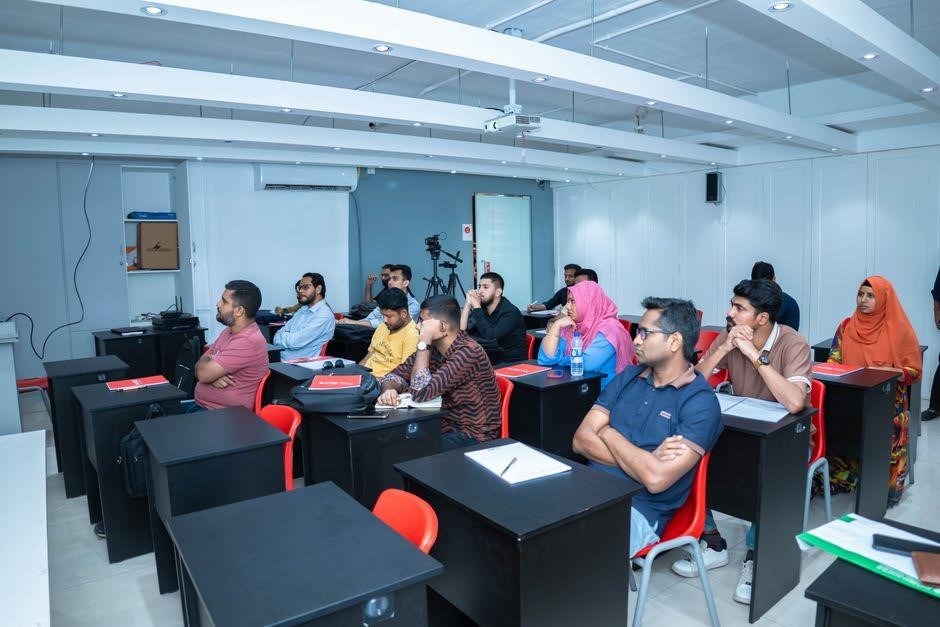
Mini-Lessons and Strategies for Group Process Facilitation
Mini‑lessons are short, focused instructional segments that serve as the core of the ISW facilitator training. Each lesson is designed to model best practices in content delivery, classroom management, and learner engagement. Facilitators practice delivering a 10‑minute micro‑lesson, then receive immediate, structured feedback from peers and trainers. This iterative cycle reinforces the ability to adapt language, pacing, and visual aids to meet diverse learner needs. The feedback uses a clear rubric. Participants also learn how to scaffold learning by breaking complex concepts into manageable steps, using formative checks, and encouraging reflective dialogue. In addition to micro‑lesson delivery, the training emphasizes group process facilitation. Facilitators study techniques for creating a psychologically safe environment, such as establishing shared norms, encouraging active listening, and managing dominant voices. They practice rotating leadership roles, using small‑group discussions, and employing real‑time polling to gauge understanding. The curriculum also covers conflict resolution strategies, including mediation techniques and the use of “I” statements to address misunderstandings without escalating tension. By integrating mini‑lessons with group facilitation strategies, facilitators build a cohesive skill set that supports dynamic, learner‑centered workshops. The training culminates in a session where participants lead an ISW module, applying facilitation strategies to create a learning experience.

Graduate Student Professional Development Sessions
Three‑day, 24‑hour ISW sessions immerse graduate students in teaching, peer critique.D Designed for novices and seasoned instructors, the program blends micro‑teaching, video review, and collaborative feedbackand peer to sharpen instructional design.
Three-Day 24-Hour Professional Development Sessions
Graduate students participate in a compact, intensive three‑day program that totals 24 instructional hours. Each day is structured around a blend of didactic lectures, hands‑on micro‑teaching demonstrations, and reflective debriefs. Participants first observe expert faculty delivering short lessons, then design and rehearse their own micro‑teaching units. Video recordings of these sessions are reviewed in small groups, allowing peers to provide constructive feedback guided by a set of evidence‑based criteria. Throughout the program, facilitators emphasize the development of clear learning objectives, engaging instructional strategies, and formative assessment techniques. The curriculum also addresses inclusive teaching practices, ensuring that diverse learner needs are considered. By the end of the 24‑hour cycle, students have produced a polished teaching portfolio that showcases their instructional design process, reflective insights, and evidence of student learning outcomes. This professional development experience equips new instructors with the confidence and skill set necessary to launch their teaching careers, while also offering seasoned graduate educators an opportunity to refine and expand their pedagogical repertoire. Participants lead peer‑led workshops exploring technology integration, like whiteboards and LMS, daily boost engagement;!! They design rubrics with learning goals, strong improvement. The program ends with a reflective journal entry, encouraging participants to set actionable goals for future teaching.!
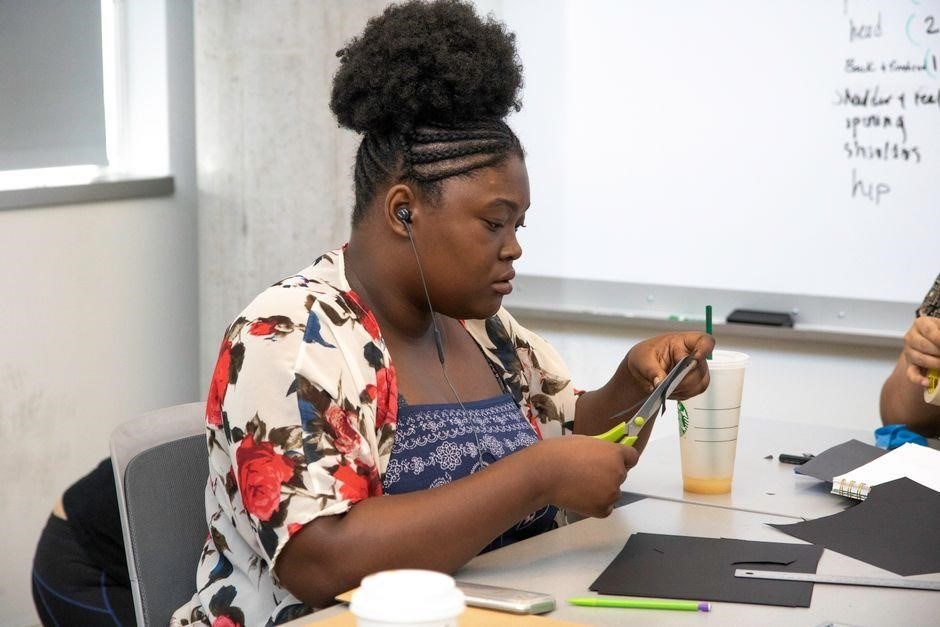
Experiential Learning Features and Institutional Examples
Videotaped micro‑teaching and peer feedback drive experiential learning. UBC’s 24‑hour sessions and Waterloo’s intensive workshops showcase collaborative practice, technology use, and reflective growth. These models boost reflective practice now.
Videotaped Micro-Teaching and Peer Feedback Sessions
In the instructional skills workshop, videotaped micro‑teaching is a core experiential activity. Participants deliver short lessons—typically 5 to 10 minutes—recorded with classroom cameras. The recordings are then reviewed in small, mixed‑background groups, allowing peers to observe teaching strategies, classroom management, and student engagement in real time; Facilitators guide the feedback process, ensuring that comments remain constructive, specific, and aligned with the workshop’s learning objectives. The cycle of teaching, recording, reviewing, and revising encourages reflective practice and continuous improvement. At the University of British Columbia, the 24‑hour professional development sessions incorporate this method, providing graduate students with immediate, actionable insights that they can apply to subsequent teaching assignments. The University of Waterloo adopts a similar intensive, collaborative model, emphasizing the role of peer critique in refining instructional techniques. Both institutions report increased confidence among novice instructors and measurable gains in instructional quality. The use of video also supports longitudinal assessment, as instructors can compare early and later recordings to track progress over time. By integrating technology, peer dialogue, and structured reflection, the workshop creates a sustainable learning environment that extends beyond the classroom.
Evaluation of these micro‑teaching videos is conducted through rubrics that assess clarity engagement and instructional design, fostering growth.
UBC and Waterloo Institutional Implementations
Waterloo’s approach integrates technology, peer dialogue, and structured reflection, creating a sustainable learning environment that extends beyond the classroom. Faculty report heightened awareness of teaching practices and a stronger commitment to continuous improvement. Both institutions demonstrate that a well‑structured, feedback‑rich workshop can significantly enhance instructional quality across diverse teaching contexts. At UBC, the workshop’s 24‑hour sessions similarly employ micro‑teaching and peer review, fostering reflective practice among graduate instructors. Both programs emphasize collaborative learning, ensuring instructors leave with actionable strategies!!